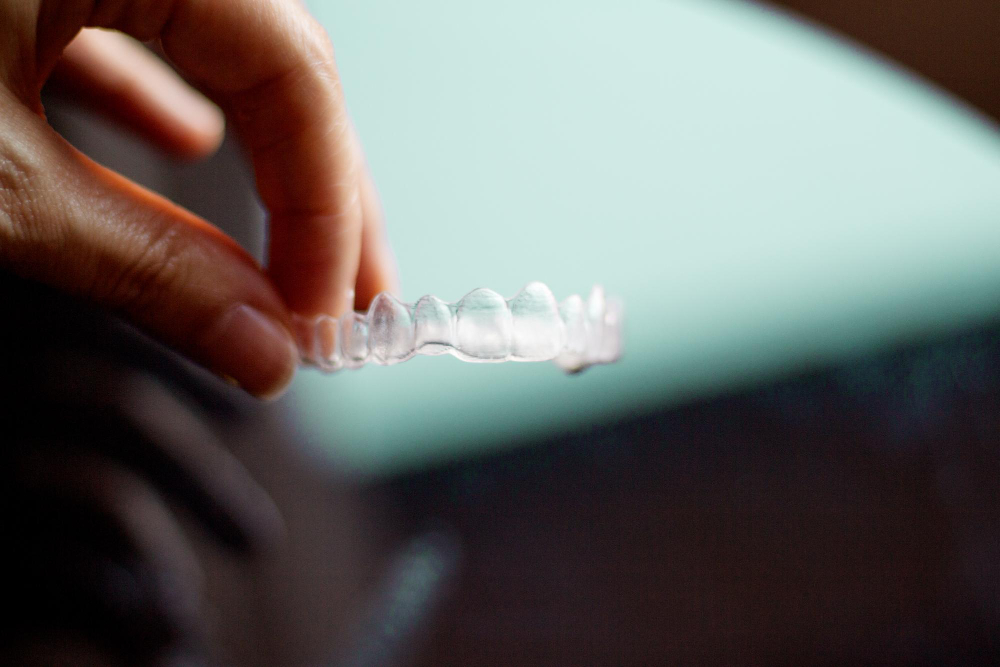
Introduction to Aligners
Aligners are clear, removable trays that help straighten teeth. Many people call them clear dental aligners or invisible braces. Unlike metal braces, aligners are almost invisible. Because of this, they are popular with adults and teens. In recent years, more people have chosen aligners to improve their smiles. According to the American Association of Orthodontists, aligners are a safe and effective way to fix crooked teeth. This blog will explain everything you need to know about aligners.
How Aligners Work
Aligners work by gently moving your teeth into the right position. First, your dentist or orthodontist takes a scan or mold of your teeth. Then, a series of custom aligners is made for you. Each set of aligners is worn for about two weeks. After that, you switch to the next set. Over time, your teeth move a little with each new aligner. Because aligners are clear, most people will not notice you are wearing them. For best results, you should wear aligners for 20 to 22 hours each day.
Benefits of Using Aligners
Because aligners are easy to use, many people prefer them over metal braces. In addition, aligners for adults and teens are now widely available.
Who Can Use Aligners?
Many people can use aligners to straighten their teeth. However, aligners work best for mild to moderate dental problems. For example, they can fix:
On the other hand, people with severe bite issues may need other treatments. Children whose teeth are still growing may not be good candidates. Therefore, it is important to ask your dentist if aligners are right for you.
The Aligners Treatment Process
The process of getting aligners is simple. First, you visit a dental specialist for a check-up. Next, the dentist takes a scan or mold of your teeth. After that, a custom treatment plan is made. Then, you receive your first set of aligners. You wear each set for about two weeks. Every few weeks, you visit your dentist to check your progress. The full treatment usually takes 6 to 18 months. However, the exact time depends on your dental needs.
Common Questions About Aligners
Tips for Caring for Your Aligners
Because good care keeps your aligners clear and odor-free, it is important to follow these tips every day.
Potential Risks and Side Effects
While aligners are safe for most people, some may have minor side effects. For example, you may feel mild discomfort or pressure when starting a new set. Sometimes, aligners can cause slight speech changes, but this usually improves quickly. Rarely, aligners may cause mouth sores or irritation. If you notice pain or swelling, contact your dentist right away. According to the CDC, following your dentist’s advice helps lower the risk of problems.
Prevention and Oral Hygiene with Aligners
Good oral hygiene is very important when using aligners. Because food can get trapped, always brush and floss after meals. In addition, rinse your mouth before putting aligners back in. Regular dental check-ups help keep your teeth and gums healthy. By following these steps, you can prevent cavities and gum disease during your aligner treatment.
Conclusion and Call-to-Action
Clear dental aligners offer a simple and discreet way to straighten teeth. Because they are easy to use and almost invisible, many people choose aligners over metal braces. However, it is important to see a dental specialist to find out if aligners are right for you. Schedule a visit today and take the first step toward a healthier, straighter smile.