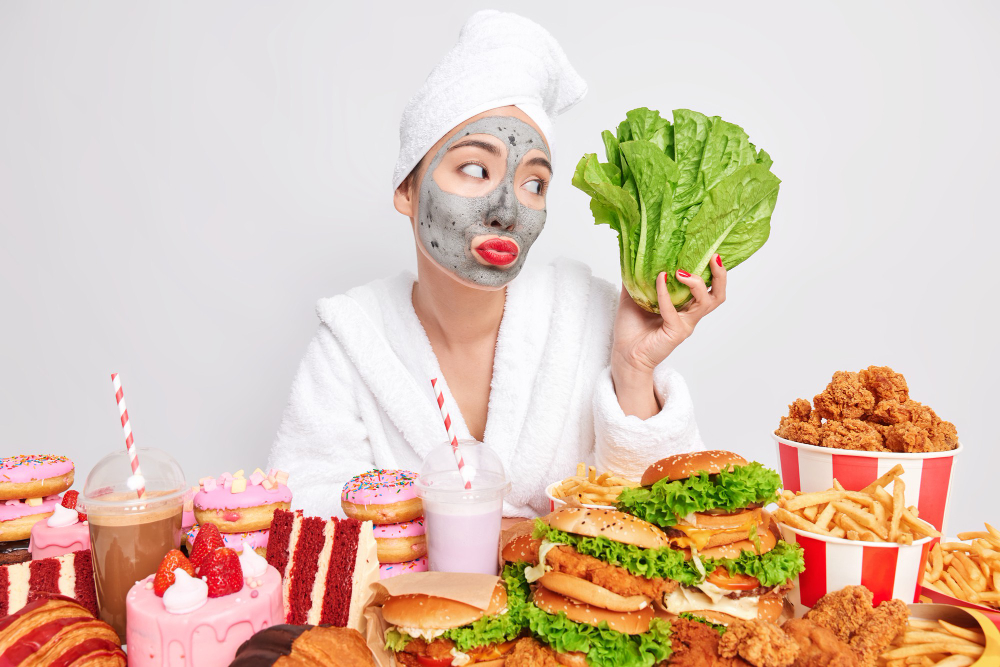
Introduction: Why Diet Matters for Dental Health
Your diet plays a big role in your dental health. The foods you eat can help keep your teeth strong. However, some foods can harm your teeth and gums. In fact, many foods worst for teeth are common in daily meals. Choosing the right foods can help prevent tooth decay and other dental problems. According to the American Dental Association (ADA), a healthy diet is key for a healthy mouth.
List of Worst Foods for Teeth
Some foods are much worse for your teeth than others. Below, you will find a list of foods that harm dental health. For each, you will see why it is harmful and some examples.
How These Foods Affect Your Teeth
Many foods to avoid for healthy teeth cause harm in similar ways. First, sugary and starchy foods feed mouth bacteria. These bacteria make acids that break down tooth enamel. Over time, this leads to cavities. Next, acidic foods and drinks can weaken enamel directly. As enamel wears away, teeth become more sensitive and prone to decay. In addition, sticky foods stay on teeth longer, giving bacteria more time to do damage. Finally, dry mouth from alcohol or certain foods means less saliva. Saliva helps wash away food and acids, so less saliva means more risk for tooth decay foods.
Tips to Minimize Damage
Even though some foods are bad for your teeth, you may still want to enjoy them. Here are some tips to reduce harm:
Prevention and Healthy Alternatives
There are many ways to protect your teeth and still enjoy tasty foods. Instead of sugary snacks, try fresh fruits like apples or pears. These are less sticky and have more water. For drinks, choose water or milk instead of soda or juice. If you want a crunchy snack, pick raw veggies like carrots or celery. These foods help clean your teeth as you chew. Also, eating cheese or yogurt can help protect your enamel. They are low in sugar and high in calcium. Good habits, like regular brushing and flossing, also make a big difference. Above all, visit your dentist for regular check-ups and cleanings.
In summary, knowing which foods are worst for your teeth can help you make better choices. With a few changes, you can keep your smile healthy for years to come.
Consult your dentist for personalized advice on protecting your teeth.