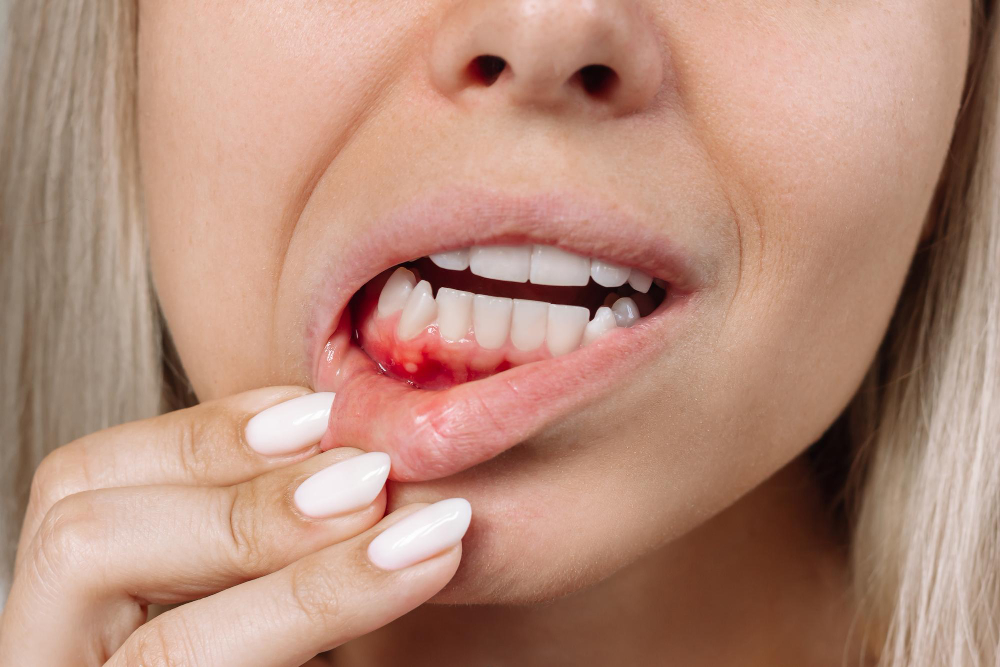
What Is Gum Disease (Periodontal Disease)?
Gum disease, also called periodontal disease, is a common mouth problem. It affects the tissues that support your teeth. At first, it may seem mild. However, it can get worse if not treated. According to the CDC, almost half of adults over 30 have some form of gum disease. Early care can help prevent tooth loss and other health issues.
Why Early Detection Matters
Early detection of gum disease is very important. When you spot symptoms early, treatment is easier and more effective. In fact, early care can stop the disease from getting worse. If left untreated, gum disease can lead to tooth loss and may even affect your overall health. For example, studies show links between gum disease and heart disease. So, catching it early helps protect your smile and your health.
Early Signs and Symptoms of Gum Disease
It is important to know the early signs of gum disease. Many people do not notice symptoms at first. But, paying attention can help you act quickly. Watch for these early warning signs:
If you notice any of these symptoms, it is time to take action. Early treatment can make a big difference.
Causes and Risk Factors
Several things can cause gum disease. Some people are more at risk than others. Here are common causes and risk factors:
Because these factors increase your risk, it is important to pay extra attention to your oral health if any apply to you.
How Gum Disease Is Diagnosed
Only a dentist can diagnose gum disease for sure. During a dental visit, your dentist will:
Early diagnosis helps prevent serious problems. So, regular dental checkups are key.
Prevention Tips and Oral Hygiene Guidance
You can prevent gum disease with good daily habits. Here are simple tips to keep your gums healthy:
By following these steps, you can lower your risk of gum disease. In many cases, prevention is easier than treatment.
When to See a Dentist
If you notice any early signs of gum disease, do not wait. Schedule a dental visit as soon as possible. Even mild symptoms should not be ignored. Your dentist can check your gums and suggest the right care. Early treatment can stop gum disease from getting worse. Remember, regular checkups help catch problems before they become serious.
If you notice any early signs of gum disease, consult a dental specialist for personalized advice. Taking action now can protect your smile for years to come.